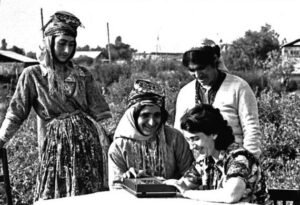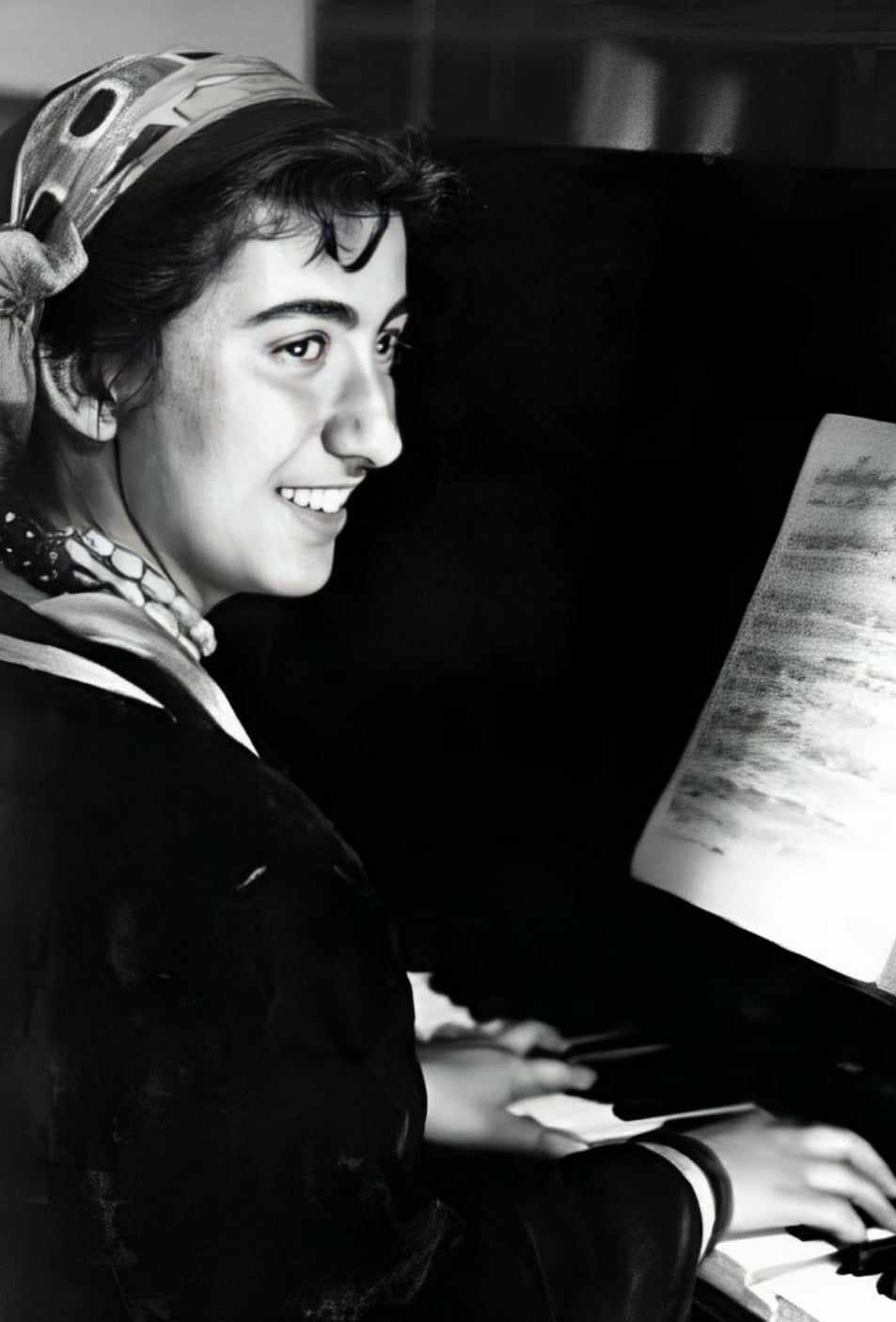
In the quiet streets of Yerevan in 1940, a girl named Jamila Jalil was born, carrying in her veins the melodies of a people whose voices had often been scattered by history. From the beginning, she listened — to the stories her father told, to the songs sung in the village hearths, and to the whispers of memory that lingered in every corner of her world. These early impressions would guide her life, shaping her into both a scholar and a keeper of culture.
Her path led her through the halls of the Alexander Spendiaryan Music School, where piano keys became her companions and musical notation her second language. Yet Jamila sought more than technical mastery; she sought the soul of the songs themselves — the lament of women, the joy of celebration, the subtle rhythms that had lived in villages for generations without ever being written down.
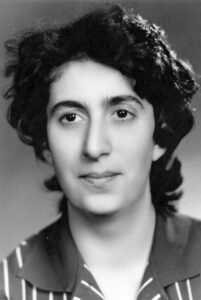
By the 1960s, she had taken up a sacred mission: to gather, preserve, and give form to the music of her people. She traveled through villages, recording voices that might have otherwise faded into silence. She worked for decades at Radio Yerevan, where she meticulously archived folk songs, transforming fleeting oral traditions into a lasting heritage. Each melody she preserved was an act of devotion — a promise that the songs of her ancestors would endure.
Jamila did not merely collect; she translated the ephemeral into permanence. Her published volumes — collections of Kurdish songs, carefully transcribed with melodic notation — became bridges between generations, between villages and concert halls, between the past and the future. Her work ensured that the music of Kurdistan could be learned, studied, and celebrated, far beyond the mountains and valleys where it was born.
Her life was a harmony of scholarship and artistry. She belonged to the Union of Musicians of Armenia and the broader artistic community, yet her most enduring legacy lies in the melodies themselves — the delicate threads of cultural memory she wove into books, recordings, and hearts. Today, when a Kurdish lullaby drifts from a classroom, or a traditional song resonates in a festival hall, it is the voice of Jamila Jalil whispering across time, reminding the world that music is not merely sound, but the soul of a people preserved through love, patience, and devotion.