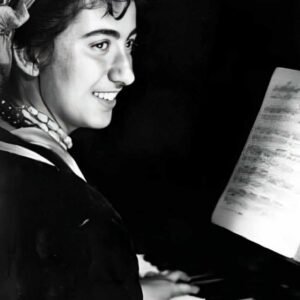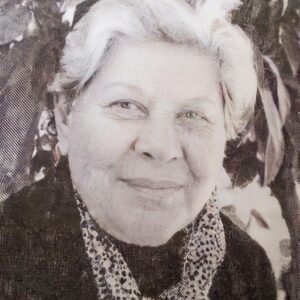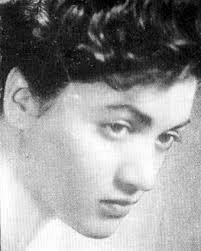
Zadina Shakir was born in Yerevan, a city where many languages met and many silences were learned. She came into the world among the Kurdish Yazidis of Soviet Armenia, a community rooted deeply in tradition, memory, and song. From an early age, her voice carried something more than melody – it carried longing. Those who heard her as a child said she sang as if she already knew both joy and loss.
Music found her early, or perhaps she found music. Zadina’s voice sought openness. She learned the old Kurdish songs not as relics, but as living breath – laments of mountains, stories of lovers, echoes of exile and endurance. Singing became her way of belonging.
Yet her life did not follow an easy harmony. When she chose love over custom and married an Armenian man, the bond with her family and community was broken. Tradition turned its back on her, and the home of her childhood became unreachable. The price of her choice was solitude. Still, she did not stop singing. If anything, her voice grew deeper, heavier with emotion, shaped by separation and quiet sorrow.
In the 1950s, when her songs began to be broadcast on Radio Yerevan, Zadina Shakir became one of the first Kurdish women to be heard across borders and homes. Radios carried her voice into villages, kitchens, and lonely nights. For many Kurds, especially women, hearing her sing was a revelation: a woman speaking openly through song, giving sound to feelings long held inside.
Her repertoire was rich with folk songs, epics, and love ballads: Dêra Sorê Biçûkê, Emer Axa, Hesenîko, Deşt û Zozan. Each song felt personal, as if she were telling her own story through the words of the ancestors. Her voice was neither loud nor fragile; it was steady, aching, and unmistakably sincere.
Despite her fame, her life remained modest. She lived quietly in Yerevan, carrying within her the wound of estrangement. She never reconciled with her family, and she was not allowed to stand at her father’s grave. Those close to her later recalled that even in her final moments, she called out his name – a final note of unresolved love.
Zadina Shakir died in 2008, far from the embrace of the community that first shaped her, yet forever held within its cultural memory. Her burial was simple, but her legacy is not. Her songs continue to travel – across time, borders, and generations – singing of love chosen freely, of loss endured quietly, and of a woman who refused to let silence win.
She remains a voice of courage in Kurdish music: a reminder that art often blooms where pain and beauty meet.